The sacred sites of Mangystau have officially been inscribed on the UNESCO
World Heritage List. The new UNESCO site includes five rock-cut mosques:
Beket-Ata, Shopan-Ata, Karaman-Ata, Shakpak-Ata, and Sultan-Epe. The historic
decision was made at the 48th session of the UNESCO World Heritage Committee in
Busan, South Korea, where Kazakhstan's nomination received support from the
majority of participating countries.
«This
decision confirms that Mangystau’s sacred sites hold exceptional value not only
for Kazakhstan but for all of humanity. UNESCO has recognized their global
significance, making the preservation of this heritage a shared responsibility
for Kazakhstan and the international community,» said
Askar Abdrakhmanov, Permanent Delegate of
Kazakhstan to UNESCO.
The new status confirms the exceptional historical and cultural value of
these sacred sites while placing responsibility for their preservation on
Kazakhstan. The country will conduct research, monitor the condition of the
sites, and regularly inform UNESCO. The inclusion of these monuments on the
World Heritage List is expected to attract even more tourists to the Mangystau
Region. In 2024, at the third National Kurultai in Atyrau, President
Kassym-Jomart Tokayev emphasized the need to showcase the region's unique
historical and cultural heritage to the world.
«This
is a major milestone for our country. The initiative put forward by President
Kassym-Jomart Tokayev has become a reality. Kazakhstan’s national nomination
has been inscribed on the UNESCO World Heritage List for the first time in 22
years. We hope this will pave the way for broader promotion of our national,
cultural, and historical heritage, while also giving fresh impetus to the
development of domestic tourism. Once again, I congratulate all Kazakh citizens
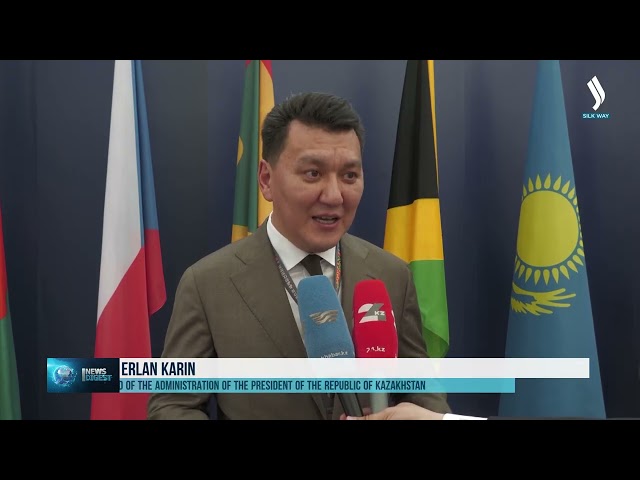
on this landmark achievement,» said Erlan Karin, First Deputy Head of the Presidential Administration
of Kazakhstan.
Kazakhstan has been a UNESCO member since 1992. The first Kazakh sites
inscribed on the World Heritage List were the Mausoleum of Khoja Ahmed Yasawi
in 2003 and the Petroglyphs within the Archaeological Landscape of Tamgaly a
year later. The country is now preparing a new nomination, which will include
the Ustyurt Plateau and ancient stone hunting structures known as arans.

Related Articles