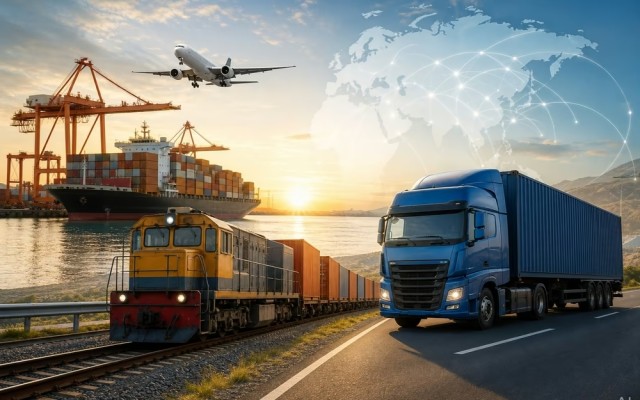
Digital technologies and artificial intelligence will
be widely introduced across Kazakhstan’s transport sector, covering road, rail,
and air transport. The country already has a number of successful examples. In
particular, the E-Joldar system has digitized over 41,000 kilometers of
national roads. Also, Smart Cargo has integrated data from 58 information
systems, enabling international cargo to be tracked online. Thanks to the
platform, the time required for cargo to cross the border has been reduced by
one-third, while carriers’ waiting time has been cut tenfold. AI will also be
used to analyze road conditions and predict potential risks. Meanwhile,
airports across the country are introducing Q-Gate biometric terminals, which
can recognize Kazakh citizens using facial recognition and passport data within
seconds. QazETA allows foreign tourists to apply for an electronic entry permit
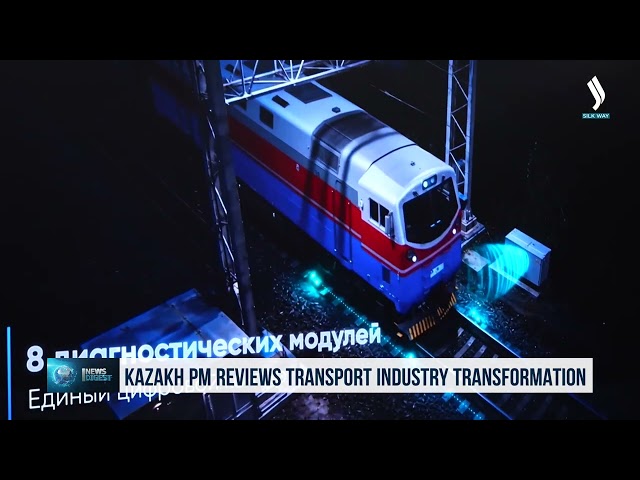
in advance. In the railway sector, KinetiX has been launched to speed up the
technical inspection of trains, while Trip Optimizer automates train
operations. Prime Minister Olzhas Bektenov gave an instruction to accelerate
the rollout of new solutions across the country.
«The
Smart Cargo project was launched in May on the instructions of the Head of
State. Through process automation and digitalization, Smart Cargo ensures
seamless coordination and speeds up the movement of goods across the country.
The system also enables cargo traceability for the state, as well as for
shippers and consignees. Most importantly, from the government’s perspective,
Smart Cargo provides transparency into the structure and contents of all cargo
flows, whether for exports, imports or transit shipments,» noted
Duman Sembayev, CEO, Kazdream Special Systems LLP.
«The E-Joldar platform integrates 12 systems from
organizations such as KazAvtoZhol, the National Center for the Quality of Road
Assets and KazdorNII. It provides real-time digital information on roads, from
design and construction to repair and operation. The system makes it possible
to track the entire implementation of a project, including the materials used
and the contractors that carried out the work,» said Serik Imashev, General Director, National Center for the Quality of
Road Assets.

Related Articles