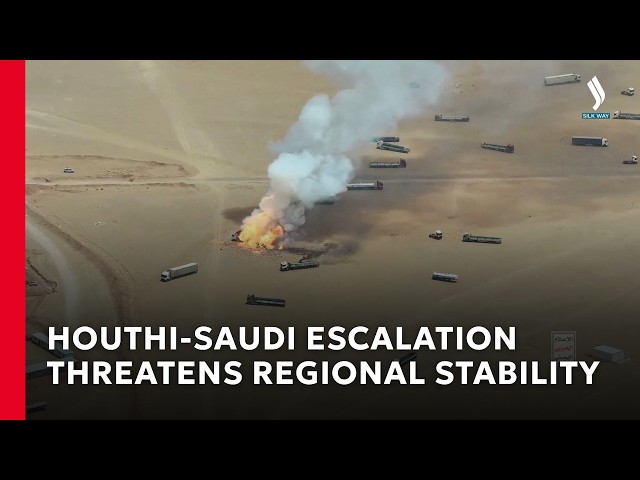
The escalating situation in the Middle East took center stage at the United Nations this week, following a series of deadly Houthi attacks on civilian infrastructure in Saudi Arabia and retaliatory airstrikes by the Saudi-led coalition in Yemen. Kazakhstan condemned the attacks and expressed solidarity with the Kingdom of Saudi Arabia, while UN Secretary-General António Guterres called for an immediate ceasefire and a return to political dialogue. As hostilities intensify, the humanitarian crisis in Yemen continues to deteriorate, with thousands of people facing food shortages, disrupted aid deliveries and displacement. The consequences extend beyond Yemen’s borders, raising concerns about regional stability and the security of international trade through the strategically important Bab el-Mandeb Strait.
Meanwhile, the UN agenda also focused on the prospects for a Russia-Ukraine “energy ceasefire” and preparations for the first review conference of the Treaty on the Prohibition of Nuclear Weapons. Despite diplomatic efforts, continued attacks on energy infrastructure underscore the urgent need to protect civilians and pursue a sustainable political settlement. Ahead of the landmark nuclear disarmament conference, experts highlighted efforts to strengthen the treaty’s implementation, including verification mechanisms, assistance for victims and environmental remediation. Our own Ainur Imangali reports on the key developments at the United Nations and their broader implications for international peace and security.

Related Articles