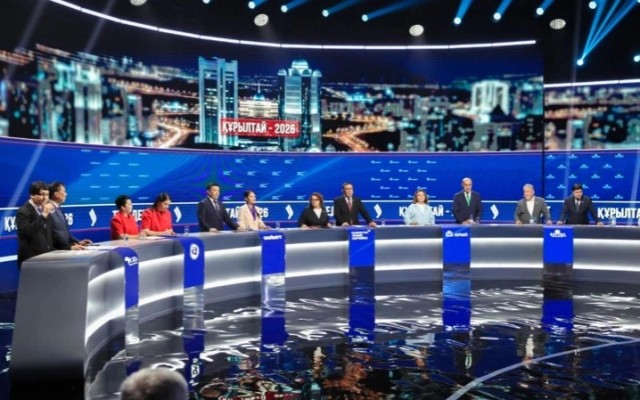
Today’s elections to the Kurultai are the result of large‑scale
reforms initiated by President Kassym-Jomart Tokayev. Since 2019, Kazakhstan
has gradually implemented several packages of political reforms. Over the
three-year period up to 2022, a comprehensive overhaul of the system of public
administration and legislation was launched. An important part of these reforms
was the concept of the Listening State, which encouraged Kazakh citizens to become more actively involved in decision-making on issues vital to the country.
The changes also affected Parliament and the electoral system. Registration
procedures for political parties were simplified, while the threshold for
entering the Mazhilis was lowered from 7% to 5%. A mandatory 30% quota for
women and young people on party lists was also introduced. In addition, the ‘Against
All’ option was added to ballots. As a result, six parties secured seats in Parliament
following the March 2023 parliamentary elections, three of them for the first
time.
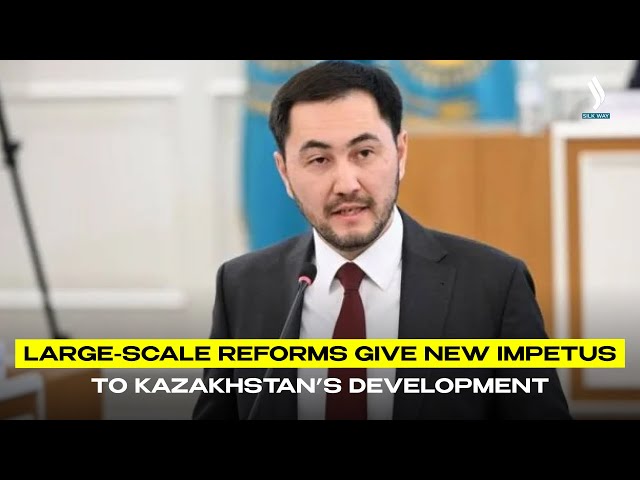
«Kazakhstan has entered the new age, age of political modernization, which actually started not this year, not even in 2025, but it started since 2019, when the President Kassym-Jomart Tokayev announced a set of political, economical, social reforms, and this is a large-scale process,» noted Zhandos Shaimardanov, Director, Kazakhstan Institute for Strategic Studies under the President of the Republic of Kazakhstan.
The 2019-2022 reforms expanded opportunities for citizens to participate in public governance. In 2021, Kazakhstan held its first-ever direct elections of governors of district-level cities, villages, and rural districts. At the same time, the powers of the Parliament and local maslikhats were expanded. The reforms also extended to the legal sphere. Kazakhstan ratified protocols to international treaties on the rights of the child and the protection of human rights. Kazakhstan marked the 30th anniversary of its independence with large-scale institutional and legal reforms.
«The way I see
Kazakhstan is that the first major phase of nation-building, of state-building,
has been successfully concluded after three decades. You gained independence,
you achieved territorial sovereignty, you built institutions from scratch, you
got your place among the community of nations and a well-respected middle power
these days,» said Alberto Turkstra,
political scientist, Project Director at Diplomatic World.

Related Articles