Complete the development of the National Water Resources Information System. This directive was issued by President Kassym-Jomart Tokayev in his state-of-the-nation address. The unified platform is expected to ensure monitoring of water resources and help relevant government agencies make more informed decisions regarding water allocation. According to the relevant ministry, the system will become fully operational by the end of this year. It is currently being integrated into the daily operations of the ministry and water management organizations. Specialists are undergoing training, transferring archived records into the electronic database, and verifying their accuracy. The system is also being updated with the latest available information. It brings together data on rivers, lakes, groundwater, reservoirs, and hydraulic infrastructure. Digital records and satellite images make it possible to assess the condition of these facilities and monitor any changes over time.
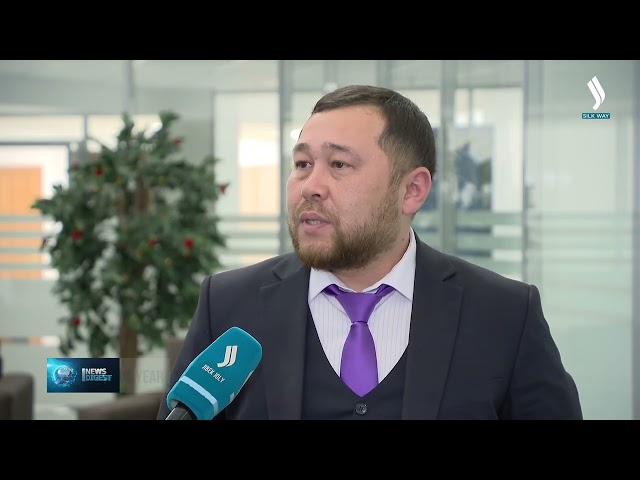
«This will make it possible to compare available resources with actual needs, identify potential risks and shortages in advance, and make more informed decisions regarding water allocation. Unified digital data will help identify areas requiring additional inspections, repairs, or infrastructure modernization. Ultimately, this is expected to contribute to more efficient use of water resources, greater transparency in water accounting, and enhanced water security,» noted Kanat Akhmetov, Director of the Department of Technological Integration and Development, Non-Profit Joint Stock Company Information and Analytical Center for Water Resources.
A water consumption forecasting system will help assess water demand in advance and anticipate potential shortages. Using data from the National Water Resources Information System, it takes into account farmers’ requests, cultivated areas, and irrigation rates. AI then compares calculations with available water reserves. This will help ensure that water supply schedules can be adjusted in a timely manner.
«The system will be scaled up, with artificial intelligence further integrated into its operations. We are already working on its implementation. At present, we are focusing on populating the database, training the AI, and collecting and analyzing data. In other words, we are connecting various data sources. We have established integrations with certain government agencies, Kazhydromet, and monitoring sensors. The data collected will be compared and monitored to generate comprehensive results. There’s also the possibility of integrating and receiving data from neighboring countries,» Kanat Akhmetov added.

Related Articles