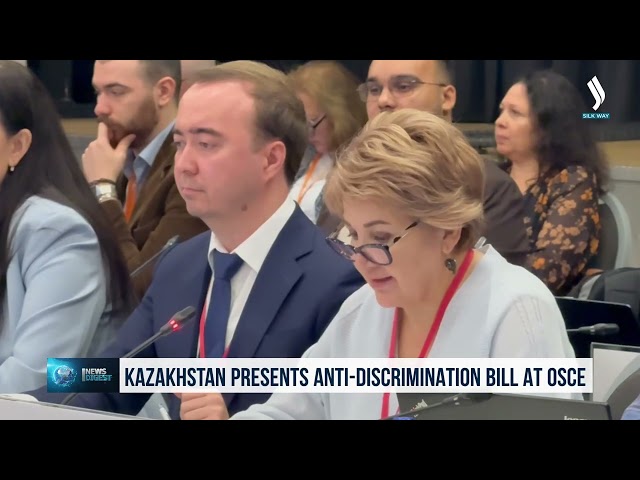
At an OSCE conference in Warsaw, Kazakhstan presented a comprehensive draft law aimed at ensuring equality and protecting citizens from discrimination. The document was developed at the initiative of the Human Rights Commissioner with support from the United Nations Development Programme. Kazakh experts highlighted its importance in strengthening human rights protection mechanisms. Participants were also introduced to Kazakhstan’s model of interethnic harmony. Today, representatives of more than 130 ethnic groups live together in harmony under one shanyrak. The country also has over 3,000 registered religious associations representing dozens of faiths. Interethnic and interreligious harmony remains essential to stability and peace. Kazakhstan’s Constitution guarantees equality for all citizens and prohibits discrimination on racial, ethnic, linguistic and religious grounds.
«The draft law systematizes all existing legal concepts and definitions, including direct and indirect discrimination, and sets out a non-exhaustive list of grounds on which discrimination is prohibited. Most importantly, it establishes specific safeguards, including institutional mechanisms, and identifies government bodies and organizations responsible for monitoring compliance with these legal provisions on a daily basis,» said Muslim Khassenov, Associate Professor of the Department of Private Law at Maqsut Narikbayev University.
«I was very honored to be invited by Kazakhstan to participate in the Congress of Leaders of World and Traditional Religions. I think Kazakhstan has a very important role in bringing religious leaders and religious communities together, and these are very, very important and sometimes also very sensitive issues. And by providing a platform, I think Kazakhstan contributes very much to a dialogue among religions and religious leaders,» said Christophe Kamp, OSCE High Commissioner on National Minorities.

Related Articles