Kazakhstan plans to expand the capabilities of its banking sector and capital market. In his state-of-the-nation address, President Kassym-Jomart Tokayev outlined the fundamental guidelines for the development of the financial sector. The Head of State noted that the assets of domestic banks have exceeded 75 trillion tenge, while deposits have reached 52 trillion tenge, highlighting the resilience of the country’s financial system. One of the main tasks now is to channel the accumulated resources into the real sector of the economy. To this end, the President instructed the development of new mechanisms for long-term lending to key industries by pooling resources from banks, development institutions, international financial organizations and the Unified Accumulative Pension Fund. In addition, private companies should be encouraged to make more active use of exchange-traded instruments. International experts have also shared their assessments of the priorities outlined by the President.
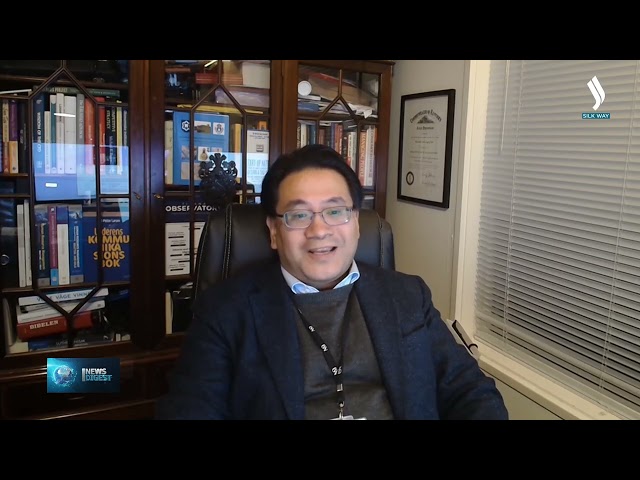
«Closer cooperation between financial institutions should improve access to funding, with clear responsibilities across the system. Development institutions can support national priorities, but their mandates and the risks they take must be transparent. Kazakhstan’s opportunity is to build a financial system capable of making difficult choices about where money should go. It must be able to support promising investments and decline weak ones. That discipline is what turns available capital into lasting economic value,» noted Glenn Agung Hole, Associate Professor, University of South-Eastern Norway.

Related Articles