The ancient settlement of Kalzhyr in eastern Kazakhstan may have served as the seat of a ruler of one of the regions of the First Turkic Khaganate. This is a theory being explored by archaeologists from Al-Farabi Kazakh National University following excavations in the Zaisan Basin. The first radiocarbon dating results suggest that the site dates back to the 6th–7th centuries. Finds include glass fragments, pieces of painted plaster, decorated vessels and an unusual ceramic bird figurine with a rattle inside.
The settlement covers an area of more than 25 hectares. In terms of its layout, Kalzhyr differs from other known settlements in Kazakhstan. Similar sites have been found in modern-day Mongolia and in Tuva. Its large size and relatively thin cultural layer have led researchers to consider Kalzhyr a possible administrative centre. Experts are currently studying the finds in detail. Further analyses will help refine the dating and clarify the settlement’s historical role.
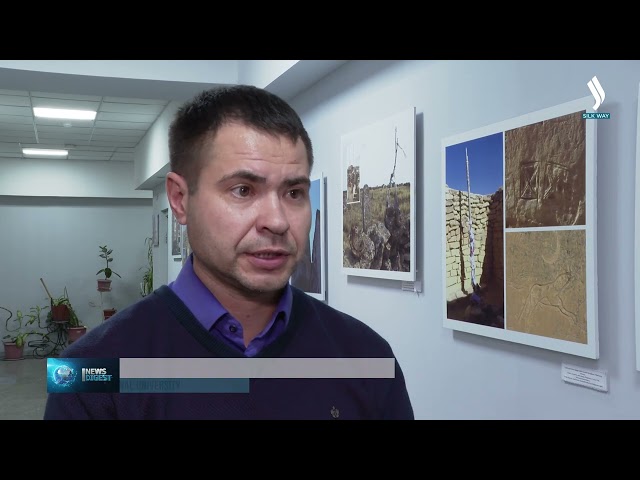
«Establishing the chronology of this site is extremely important for the archaeology of Central Asia as a whole and the Eurasian steppes. Previously, no sites dating specifically to the second half of the 6th century and the early 7th century had been known. This is particularly significant because the Turkic Khaganate was the first state founded by a people who called themselves Turks,» noted Nikita Konstantinov, Expedition Leader, Associate Research Professor, Department of Archaeology, Ethnology and Museology at Kazakh National University.

Related Articles