The
development of education, science and innovation is a strategic priority for
the state, as enshrined in Kazakhstan’s new Constitution. The importance of
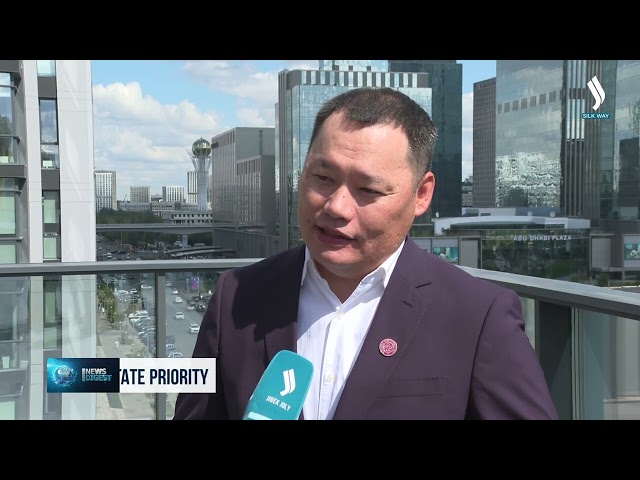
human capital in today’s world cannot be overstated, according to Zhanibek
Katrenov, Chairman of the Council of the «Bolashaq» Association. Katrenov
believes that today it is important not only to train highly qualified
professionals, but also to create conditions for their knowledge and
developments to be put into practice. The necessary potential is already in
place, with more than 13,000 Bolashaq graduates working across various sectors
of the economy. The next step is to build effective cooperation between
universities, businesses and the state so that educational programs meet the
needs of industry and scientific developments are put into practical use.
«Article 3 of the Constitution states that
the development of education, science, and innovation is a strategic direction
for the state. The business community was involved in developing these
educational programs. Universities need to understand the requirements and
expectations of industry. The state, in turn, must create the conditions
necessary for the advancement of science and innovation,» said Zhanibek Katrenov, Chairman of the Council
of the «Bolashaq» Association.
The new Constitution creates additional opportunities
for young scientists and their research, according to Askar Turganbayev,
Director of the Center for Manuscripts and Textology at the Auezov Institute of
Literature and Art. Turganbayev stressed that particular attention is now being
paid to funding science, supporting long-term research projects at universities
and training highly qualified domestic specialists.
«When setting ambitious goals,
it is also important to identify the right paths to achieving them. Not every
research project can deliver results within two or three years; some require
long-term study. A qualified scientist is likewise the result of many years of
work. Therefore, the most important priority now is to nurture young scientists
and create the incentives and conditions they need to develop,» said Askar Turganbayev, Director of the Manuscript and Textology
Center at the Institute of Literature and Art.

Related Articles