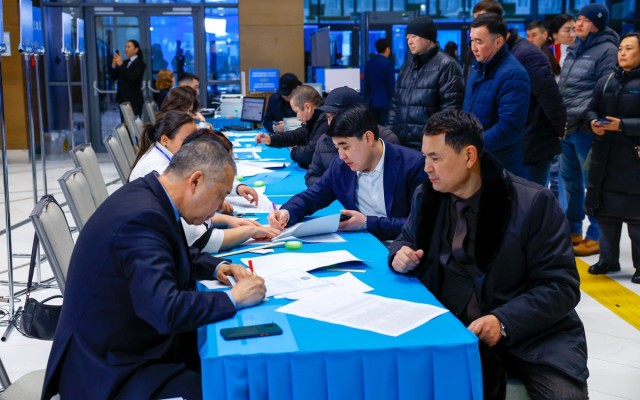
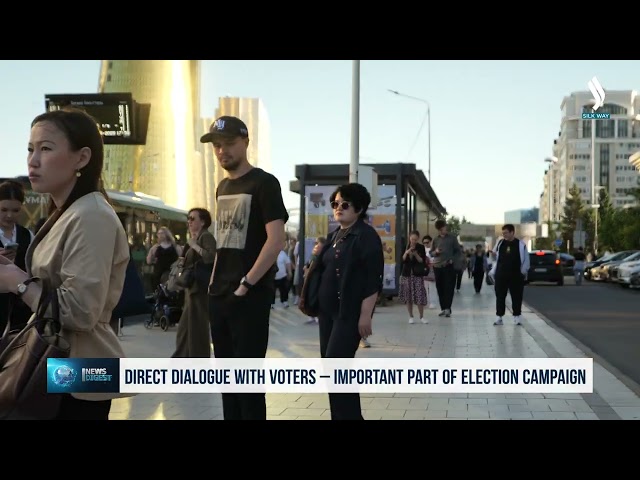
Meetings at enterprises, district centers, and villages
are giving Kurultai candidates an opportunity to present their platforms while
engaging directly with residents on the issues that matter most to them. For
Kazakhstan, with its vast territory, this format is particularly important as
it helps maintain an active dialogue with people across different regions. Experts
say this will also be important for the Kurultai’s future work. Voters’ choices
will determine how mandates are allocated and the priorities that will shape
discussions on future legislation. Analysts also emphasize the importance of
using a variety of communication formats while maintaining direct contact with voters.
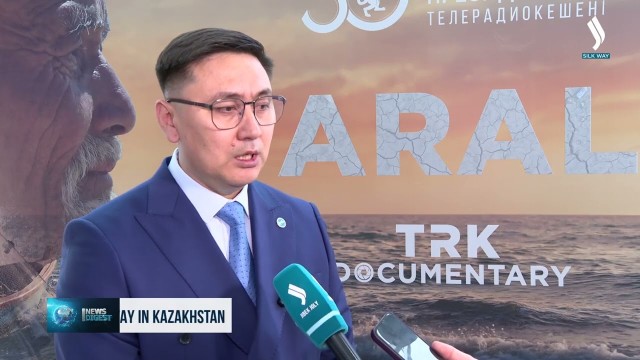
«The election campaign is the first and fastest way to communicate directly with voters ahead of the election. Its main goal is
to convey the key
points of platforms. In this regard, it is important to use every available and lawful method
of campaigning. That is why it would probably be incorrect to say that any one method is more
effective than the others. What matters most is speaking directly with voters,» noted Gulmira Tukanova, Chief Expert, Kazakhstan Institute for Strategic Studies
under the President of the Republic of Kazakhstan.
Experts also note that one of the main features of the
current election campaign has been the emergence of new faces. According to political
scientist Aman Mambetaliyev,
political parties are now rethinking their internal operations and exploring
new ways to engage with society. The future composition of the Kurultai will be
responsible for making significant decisions, including those related to budget
formation. Thus, expectations of both political parties and candidates are
rising. Experience, vision, and the ability to build consensus and find solutions in the country’s
best interests will be decisive.
«We need to understand
that the new Kurultai will be about coalition-building, not only within
political parties but also between parties. There are individuals from
different parties who share similar views on how to address key issues, and
despite representing different parties and platforms, they are willing and
expected to reach compromises in order to resolve specific issues and programs,» said political scientist Aman Mambetaliyev.

Related Articles