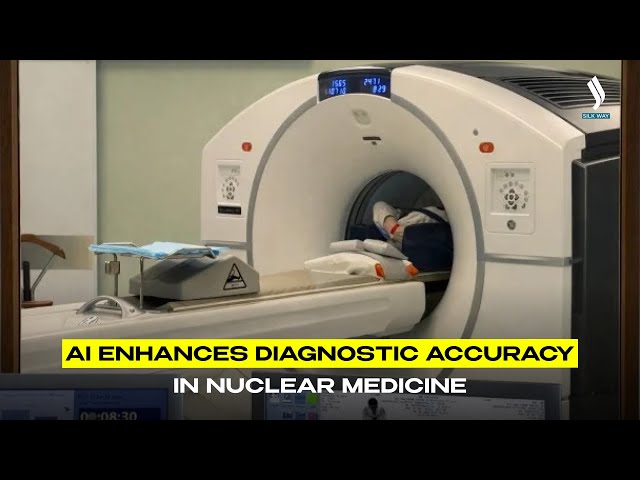
Artificial intelligence is increasingly being used in
nuclear medicine. In Kazakhstan, it is already being applied to the analysis of
PET/CT scans. The technology helps doctors interpret images, assess
radiopharmaceutical uptake, and more precisely determine the activity of
pathological processes in the patient’s body. According to Aigul Saduakassova,
Head of the Nuclear Medicine Center at the Medical Center Hospital of the
President’s Affairs Administration of the Republic of Kazakhstan, this type of
imaging provides doctors with two types of information at once — about the
structure of organs and the metabolic activity of tissues. This makes it
possible to determine the extent of a tumor, detect metastases, assess
treatment effectiveness, and identify disease recurrence.
«AI has long been used in diagnostic imaging. It helps
not only with measurements but also with determining the absorbed dose and how
much radiopharmaceutical has accumulated. Based on this uptake index, we assess
the activity of the process. Many of our examinations are performed while
patients are breathing. You can't hold your breath for 40 minutes, so AI helps
eliminate artifacts during the examination,» Saduakassova said.
Notably, Kazakhstan currently has 12 nuclear medicine
centers. This center alone conducts more than 12,000 radioisotope studies each
year. Modern radiopharmaceuticals can be used not only to diagnose diseases but
also to treat them. One such approach is theranostics, in which the same
radiopharmaceutical can be used for both diagnosis and treatment. In
Kazakhstan, iodine-based radiopharmaceuticals are already used to treat thyroid
cancer, while samarium is used to treat cancer patients with bone metastases.

Related Articles